Which One Fits Your Project?
When you are planning a clothing project, one of the first questions is not always about the design.
It is often this:
Do you really need a fully custom product, or would a high-quality blank with your branding already be the right solution?
Both options can make sense. It depends on your idea, your budget, your timeline, your quantity and how much control you need over the final product.
At LEMUTA, we work with both approaches. Some projects need full custom production from the very beginning. Others can start much faster and more efficiently with blank customization.
The important part is understanding the difference before you start.
What is blank customization?
Blank customization means using an existing garment as the base and adding your own branding, artwork or finishing details.
The garment itself already exists. The fit, fabric, stitching and general construction are already developed. You are not creating the full product from scratch.
Instead, you customize it through details such as print, embroidery, woven labels, neck labels, hangtags, patches or packaging.
This makes the process faster, more accessible and often better suited for lower quantities or shorter timelines.
Blank customization is especially useful when you want to create branded apparel without going through the full development process of custom production.
What is custom production?
Custom production means creating a garment from the ground up.
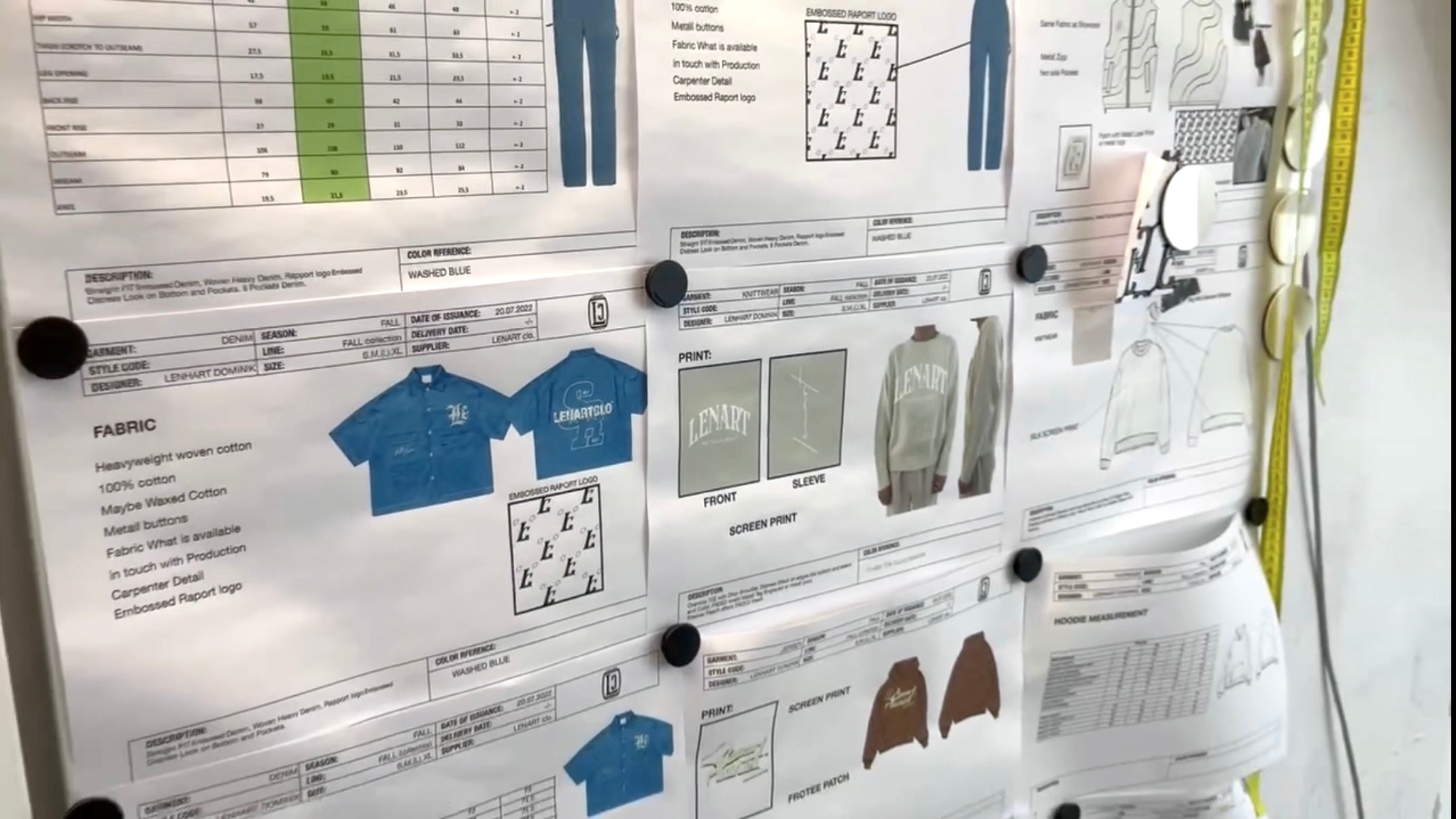
This usually includes choosing or developing the fabric, defining the fit, creating patterns, making samples, adjusting measurements, selecting trims and producing the final bulk order based on your specific requirements.
With custom production, you have much more control over the final product.
You can define the fabric, GSM, color, shape, stitching, labels, washes, cuts and small product details. This is the right option when the garment itself is part of your brand identity.
If you are building a fashion brand, launching a full collection or creating a product that needs a specific fit, fabric or construction, custom production is usually the better fit.
The main difference
The easiest way to understand it is this:
Blank customization starts with an existing product and adds your brand to it.
Custom production starts with your idea and builds the product around it.
|
Blank Customization |
Custom Production |
|
Existing garment as base |
Product developed from scratch |
|
Faster process |
More development time |
|
Often possible with lower quantities |
Usually higher MOQs |
|
Less control over fit and fabric |
Full control over fit, fabric and details |
|
Ideal for merch, teamwear, events and first drops |
Ideal for fashion brands, collections and unique products |
|
Lower development effort |
More planning, sampling and setup |
Neither option is automatically better. They simply serve different needs.
A company that needs high-quality teamwear for an event may not need a completely custom-developed T-shirt. A strong blank with clean embroidery or a well-placed print can already look professional and feel considered.
A clothing brand that wants a specific oversized hoodie with a unique fit, custom fabric, special wash and branded trims will usually need custom production.
The right choice depends on what you want the product to achieve.
When blank customization makes sense
Blank customization is a good option when you want to move quickly, keep the process simple and still create something that feels branded and professional.
It works especially well for company apparel, teamwear, event merchandise, creator merch, startup merchandise, onboarding pieces, limited campaigns and first drops with lower risk.
Many brands and companies do not need to invest in full custom production immediately. Sometimes the smarter first step is to create a clean, high-quality product in a smaller quantity, see how people react and then decide whether a fully custom product makes sense later.
Blank customization is not just “putting a logo on a shirt”.
When done properly, it can feel premium and intentional. The difference is in the base garment, the placement, the branding method and the small finishing details.
A simple hoodie with the right fit, clean embroidery, a custom neck label and thoughtful packaging can already feel much more considered than standard promotional merchandise.
When custom production makes sense
Custom production is the better option when the garment itself needs to be unique.
This is usually the case when you care deeply about the fit, fabric, color, construction or product details.
It works well for fashion brands, streetwear brands, full collections, cut & sew products, special fits, custom colors, heavyweight garments, unique silhouettes, special washes and private label products.
If your product should not feel like an existing blank, custom production gives you more creative freedom.
It also allows you to build a stronger product identity. The fabric, shape, weight, stitching and details can all be developed around your brand.
The trade-off is that custom production usually needs more time, more planning and higher minimum quantities. It is less about creating something quickly and more about developing something exactly the way you want it.
MOQ: what to expect
One of the biggest differences between blank customization and custom production is the minimum order quantity.
Blank customization can often start with lower quantities because the base garments already exist. This makes it easier for companies, creators and smaller brands to start without committing to a full custom production right away.
Custom production usually requires higher minimum quantities because fabric, patterns, sampling and production setup are created specifically for your project.
At LEMUTA, the exact MOQ depends on the product, material, branding method and complexity. As a general direction, blank customization is often more flexible, while full custom production usually starts at higher quantities, often around 100 pieces per style and color depending on the product.
That is why it is important to clarify the product type early. A T-shirt, hoodie, cap or knitwear piece can have very different production requirements.
Timeline: which option is faster?
Blank customization is usually faster.
Because the garment already exists, the process mainly focuses on branding, artwork placement, print or embroidery setup and final finishing.
Custom production takes longer because the product needs to be developed first. This often includes sampling, adjustments, fabric decisions and approval steps before bulk production can start.
If you have a tight deadline, for example for an event, launch or company activation, blank customization may be the better solution.
If your project is more product-driven and the exact garment matters more than speed, custom production is usually worth the additional time.
Budget: which option is more cost-effective?
Blank customization is usually more budget-friendly at the beginning.
You avoid many development steps and can often work with smaller quantities. This lowers the initial risk and makes the process easier to plan.
Custom production can require a higher initial investment because more work happens before bulk production begins. Pattern development, sampling, fabric sourcing and special details all require time and setup.
However, custom production can make sense if your goal is to build a long-term product line. Once the product is developed and approved, it can become a strong base for future drops or repeat orders.
So, the question is not only:
Which option is cheaper?
The better question is:
Which option fits the stage of your project?
What you should prepare before asking for a quote
No matter which option you choose, the process becomes much easier when the basic information is clear.
Before sending an inquiry, it helps to prepare your product type, desired quantity, colors, sizes, artwork files, logo placements, deadline, target price, delivery country and reference images.
For blank customization, mockups and logo files are often enough to start the first discussion.
For custom production, a tech pack or detailed references are much more important. The more specific the product is, the more information is needed to calculate and develop it properly.
Clear information at the beginning does not only make the quote more accurate. It also helps avoid misunderstandings later in the process.
Which option fits your project?
Blank customization may be the better fit if you want a faster process, lower starting quantities, branded apparel for a company or event, a simple first drop or a cleaner starting point with less development effort.
Custom production may be the better fit if you want full control over the garment, a unique fit, custom fabrics, special details, a full fashion collection or a product that should clearly feel different from standard blanks.
In many projects, the smartest solution is not the most complex one.
It is the one that fits your budget, timeline, quantity and brand stage.
Our recommendation
Start with the purpose of the garment.
If you mainly need professional branded apparel for a team, event, company or campaign, blank customization can be a very strong solution.
If the garment itself is the product and the fit, fabric and details are essential to your brand, custom production is usually the better route.
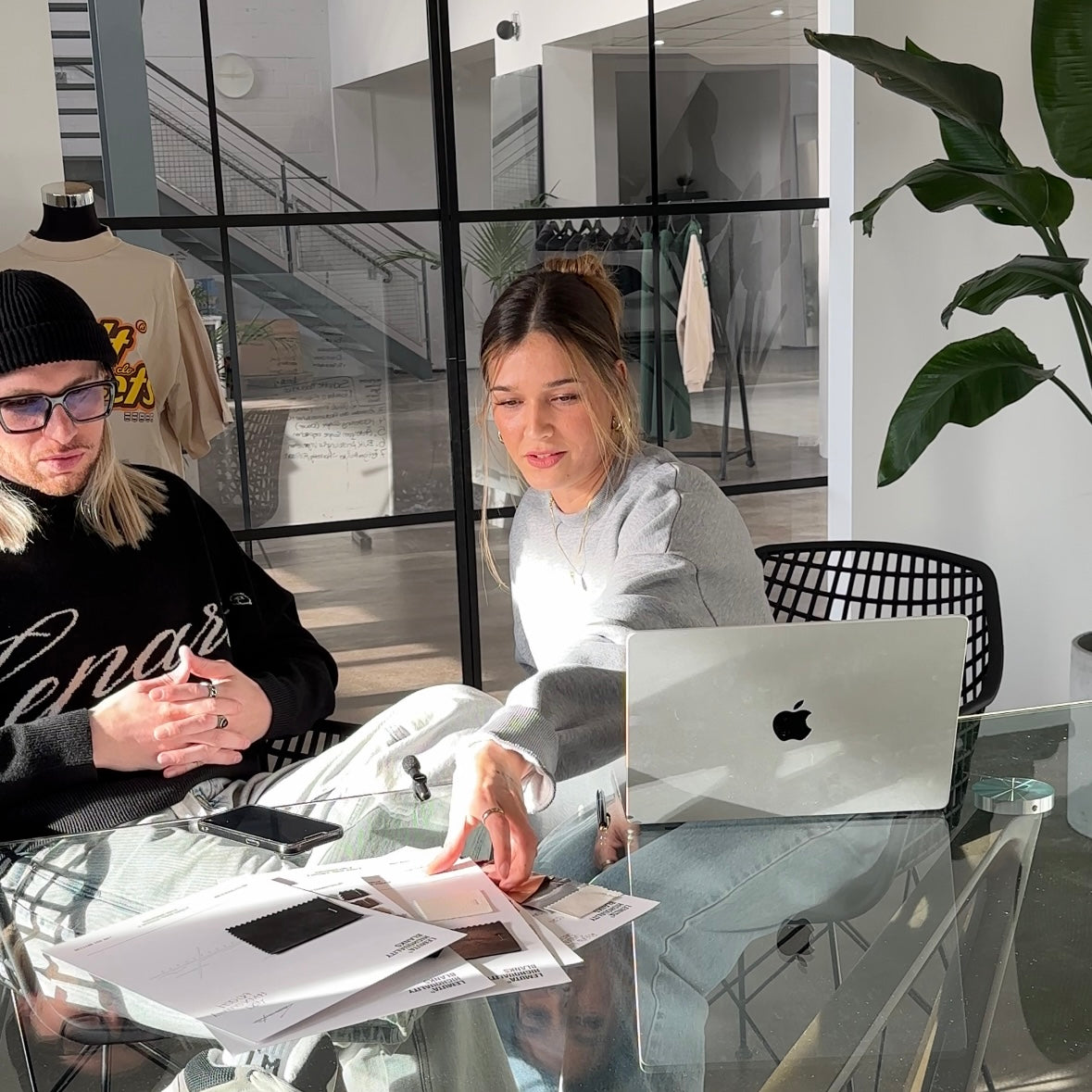
At LEMUTA, we help brands and companies understand which production model makes the most sense before starting. You can send us your idea, mockups, quantities, timeline or references, and we will help you figure out whether blank customization or custom production is the right next step.
Planning a project?
If you are currently preparing a clothing project, send us your designs, quantities, timeline and any references you already have.
We will review your project and help you understand which production option fits best.